Skip to content
Cashew Carbon Credits Revenue: Biomass Waste-to-Energy Solutions with Advanced Shell Burner Technology
The global cashew processing industry generates millions of tons of agricultural waste annually, presenting an untapped opportunity for sustainable revenue generation through carbon credits. Modern technologies like the Dyna Green Burner from TTQ Industrial Equipment enable processors to convert cashew shells, husks, and processing byproducts into renewable biomass energy with 90-95% combustion efficiency, creating substantial additional income streams while contributing to climate change mitigation efforts.
Transforming Cashew Processing Waste into Profitable Carbon Credits Through Innovative Biomass Energy Systems
Understanding Cashew Processing Waste as a Biomass Resource
The Volume and Potential of Cashew Waste
Cashew processing facilities generate significant quantities of biomass waste that traditionally posed disposal challenges. For every ton of raw cashew nuts processed, approximately 700-750 kg consists of shells and husks—organic materials with exceptional energy potential. These byproducts, once considered waste management burdens, now represent valuable feedstock for advanced biomass energy systems like specialized cashew shell burners that guarantee consistent quality heat generation with minimal ash residue.
The cashew shell contains approximately 20-25% Cashew Nut Shell Liquid (CNSL), a phenolic resin with high calorific value ranging from 4,000 to 4,500 kcal/kg. After CNSL extraction, the remaining shell cake maintains substantial energy content, making it ideal for direct combustion in purpose-built burners designed specifically for this fuel source.
Chemical Composition and Energy Content
Cashew processing waste exhibits remarkable characteristics for biomass energy applications, particularly when utilized in specialized burner systems:
- Calorific Value: Dried cashew shells possess energy content comparable to conventional biomass fuels, fully optimized in modern burner designs
- Low Moisture Content: Post-processing shells typically contain 8-12% moisture, ideal for efficient combustion
- High Carbon Content: Approximately 45-50% carbon composition enables 90-95% combustion efficiency in advanced systems
- Minimal Ash Production: Lower ash content (2-4%) ensures cleaner burning and reduced maintenance requirements
Advanced Biomass-to-Energy Conversion Technologies
Specialized Cashew Shell Burner Systems
The Dyna Green Burner represents the latest advancement in cashew waste-to-energy technology, specifically engineered to maximize the energy potential of cashew shells while minimizing environmental impact. This fully eco-friendly system achieves:
- 90-95% Combustion Efficiency: Controlled combustion ensures maximum energy extraction from every kilogram of shell waste
- Noise-Free Operation: Silent running mechanism creates conducive working environments
- Low Ash Residue: Minimal post-combustion waste reduces cleaning and maintenance requirements
- Reduced Power Consumption: Energy-efficient design aligns with modern sustainability standards
These specialized burners integrate seamlessly into existing cashew processing operations, providing reliable heat for steam generation, kernel drying, humidification, and other thermal processes while generating verifiable carbon credits.
Direct Combustion with Modern Shell Burners
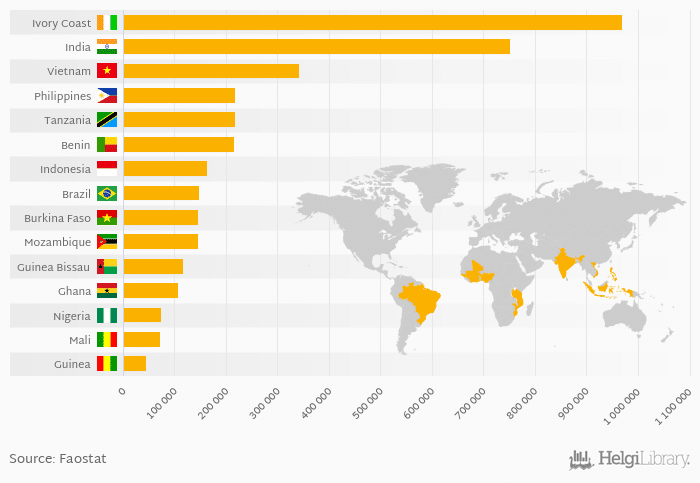
Contemporary cashew shell burners like the Dyna Green system transform waste disposal challenges into profitable energy solutions. By utilizing cashew shells as primary fuel, these burners eliminate dependence on costly fossil fuels while providing consistent, high-quality heat generation. The robust construction ensures long-term reliability, with installations operating successfully across Thailand, Cambodia, India, Nigeria, Brazil, and numerous other cashew-producing nations.
Integrated Processing Systems
Modern cashew processing facilities increasingly adopt integrated approaches where shell burners work in conjunction with other equipment like steam boilers, dryers, and CNSL extraction units. This holistic system design maximizes resource utilization while creating multiple carbon credit generation pathways through fossil fuel displacement and methane avoidance from waste decomposition.
Carbon Credit Generation Through Shell Burner Implementation
Verified Emission Reductions
Installing advanced cashew shell burners creates quantifiable emission reductions eligible for carbon credit certification. Each ton of cashew shells burned in efficient systems like the Dyna Green Burner displaces approximately 0.5-0.7 tons of CO2 equivalent emissions compared to fossil fuel alternatives. With guaranteed fuel cost savings and consistent operation, these systems provide predictable carbon credit generation year-round.
Clean Development Mechanism (CDM) Eligibility
Cashew shell burner projects qualify under multiple CDM methodologies, particularly in developing nations where TTQ’s technology has proven successful. The consistent quality and reliable operation of modern burner systems simplify monitoring and verification processes, essential for maintaining carbon credit certification status.
Voluntary Carbon Market Opportunities
Corporate buyers increasingly value carbon credits from projects demonstrating clear additionality and co-benefits. Cashew shell burners deliver both by converting waste streams into valuable energy while supporting rural development, reducing air pollution, and promoting circular economy principles in agricultural processing sectors.
Economic Benefits of Shell Burner Technology
Guaranteed Fuel Cost Savings
The Dyna Green Burner’s design specifically targets fuel cost reduction, with users reporting 60-80% savings compared to oil or gas alternatives. By utilizing readily available cashew shells throughout the processing season, facilities eliminate fuel purchase costs while generating carbon credit revenues. This dual benefit creates compelling return on investment propositions, typically achieving payback within 18-36 months.
Multiple Revenue Streams from Shell Utilization
Implementing specialized cashew shell burners enables processors to capture value from multiple sources:
- Carbon Credit Sales: Annual revenues of $30,000-$100,000 for medium-scale operations
- Fuel Cost Elimination: Direct savings from avoided fossil fuel purchases
- CNSL Recovery: Pre-combustion extraction adds chemical sales revenue
- Ash Sales: Mineral-rich ash serves as fertilizer component
- Energy Independence: Reduced exposure to fuel price volatility
Operational Cost Reductions
Beyond fuel savings, modern shell burners reduce operational expenses through:
- Minimal maintenance requirements due to low ash production
- Reduced power consumption compared to conventional systems
- Elimination of waste disposal costs
- Decreased labor requirements through automated operation
Implementation Strategies for Maximum Carbon Credit Generation
Technology Selection and Sizing
Choosing appropriate burner capacity requires careful evaluation of processing volumes and energy requirements. TTQ’s Dyna Green Burner offers scalable solutions adaptable to facilities processing from 1,000 to 10,000+ tons annually. The modular design allows capacity expansion alongside business growth, ensuring optimal efficiency at every operational scale.
Project Development Pathway
- Baseline Assessment: Quantify current fuel consumption and associated emissions
- Burner Installation: Deploy appropriately sized Dyna Green Burner system
- CNSL Integration: Incorporate liquid extraction if not already present
- Monitoring Setup: Install measurement systems for fuel use and emissions
- Certification Process: Engage validators for carbon project registration
- Credit Verification: Annual audits confirm emission reduction claims
Strategic Partnerships
TTQ’s global experience across multiple continents provides valuable insights for carbon credit project development. Collaborating with experienced equipment providers accelerates implementation while ensuring systems meet international standards for carbon credit generation. This expertise proves particularly valuable when navigating certification requirements and optimizing system performance.
Environmental and Social Impact
Air Quality Improvements
The Dyna Green Burner’s controlled combustion technology significantly reduces particulate emissions compared to traditional disposal methods. The noise-free operation and minimal ash production create healthier working environments while eliminating risks associated with uncontrolled shell accumulation or open burning practices.
Circular Economy Advancement
Converting cashew processing waste into energy through specialized burners exemplifies circular economy principles. This approach transforms linear waste streams into valuable resources, demonstrating sustainable industrial practices that resonate with environmentally conscious consumers and carbon credit buyers.
Rural Development Catalyst
Shell burner installations create local employment opportunities in system operation, maintenance, and waste management. These projects build technical capacity in renewable energy sectors while strengthening rural economies through reduced energy costs and additional carbon credit revenues.
Future Market Outlook
Growing Demand for Agricultural Waste Credits
As global carbon markets mature, credits from agricultural waste-to-energy projects command premium prices due to clear additionality and sustainable development co-benefits. Cashew shell burner projects positioned early in this market evolution will capture maximum value as demand intensifies.
Technology Evolution
Continuous improvements in burner design and combustion control systems promise even higher efficiencies and lower emissions. TTQ’s commitment to innovation ensures processors access to cutting-edge technology that maximizes both operational efficiency and carbon credit generation potential.
Policy Support Expansion
Governments worldwide increasingly recognize biomass energy’s role in achieving climate targets. Supportive policies including renewable energy incentives, carbon pricing mechanisms, and waste management regulations create favorable environments for cashew shell burner adoption and associated carbon credit projects.
Maximizing Returns: Integration Best Practices
Comprehensive Waste Utilization
Successful carbon credit generation requires holistic approaches to waste management. Combining shell burners with CNSL extraction, biochar production, and ash utilization creates multiple value streams while maximizing emission reduction potential. The Dyna Green Burner’s compatibility with these complementary technologies enables comprehensive waste valorization strategies.
Quality Assurance and Monitoring
Maintaining carbon credit certification requires rigorous monitoring and reporting. Modern shell burners incorporate automated data logging systems that track fuel consumption, operating hours, and heat output, simplifying compliance with verification requirements while ensuring consistent credit generation.
Market Timing and Credit Sales
Strategic timing of carbon credit sales can significantly impact revenues. Building credit inventories during market downturns and selling during peak demand periods maximizes returns. The reliable operation of quality burner systems ensures consistent credit generation regardless of market conditions.
Transforming Waste into Wealth with Advanced Burner Technology
The integration of specialized cashew shell burners like TTQ’s Dyna Green system represents a paradigm shift in processing industry sustainability and profitability. By combining proven combustion technology with carbon credit generation opportunities, processors can transform waste management challenges into substantial revenue streams while contributing meaningfully to global climate action.
Success in this transformation requires selecting appropriate technology, implementing robust monitoring systems, and maintaining certification compliance. However, the proven benefits—including guaranteed fuel cost savings, multiple revenue streams, and positive environmental impacts—create compelling business cases for immediate adoption.
As demonstrated by successful installations across Asia, Africa, and South America, cashew shell burner technology delivers reliable performance and measurable results. The opportunity to generate significant carbon credit revenues while achieving energy independence and operational cost reductions makes advanced biomass burner systems essential investments for progressive cashew processing operations.
Forward-thinking processors who implement these technologies today position themselves advantageously for tomorrow’s carbon-conscious markets. With growing demand for verified emission reductions and increasing recognition of biomass energy’s role in sustainable development, the time to transform cashew processing waste into profitable carbon credits through advanced burner technology is now.
CONTACT FORM
We understand selecting the ideal cashew processing machinery is a crucial decision for your business. Filling our simple contact form will help us grasp your requirements accurately and suggest customized solutions for long-term efficiency gains. Our team will get in touch shortly to initiate the best pricing and features discussion for your upgrade needs.