Skip to content
Automatic Cashew Shelling Machine
Modern cashew processing has evolved significantly with the introduction of automated shelling systems that transform raw cashew nut processing from labor-intensive manual operations into efficient, high-capacity production lines. These sophisticated machines integrate cutting-edge technology to deliver consistent kernel quality while dramatically reducing workforce requirements and operational costs.
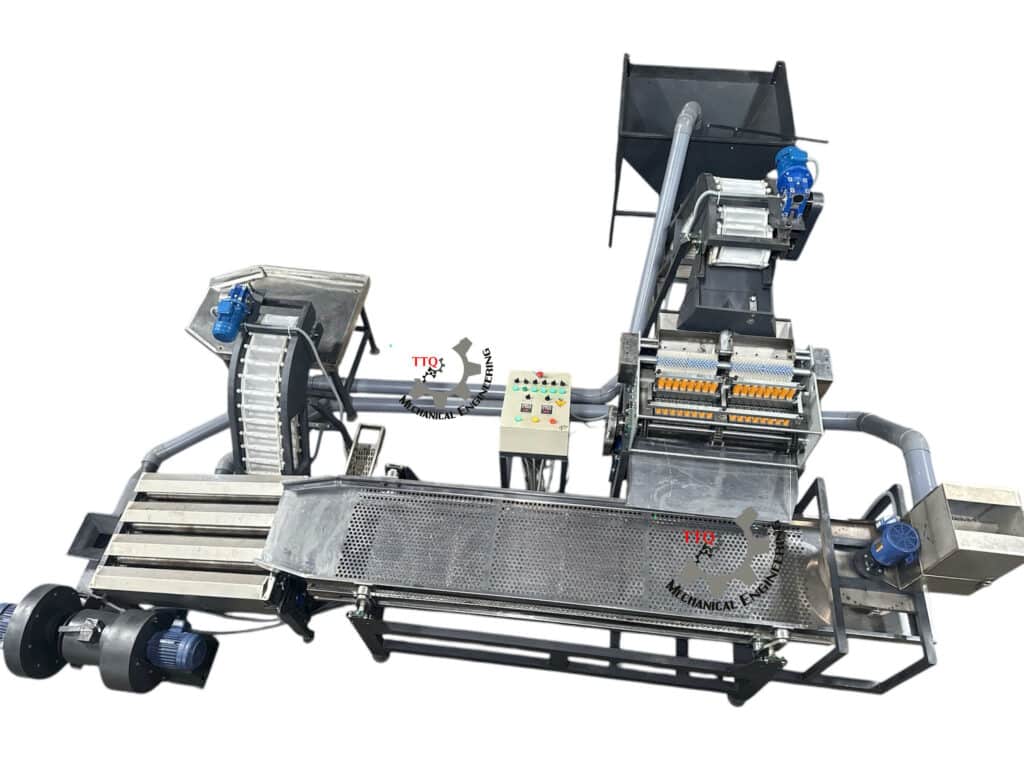
Understanding Automatic Cashew Shelling Technology
The transition to fully automatic systems represents a paradigm shift in how processors approach cashew shelling. Unlike traditional manual methods requiring multiple workers for each processing station, automated solutions streamline the entire workflow through intelligent design and mechanical precision.
How Automatic Cashew Shelling Machines Work
The Automated Shelling Process
Automatic cashew cutting machines utilize a multi-stage approach that begins with raw material feeding and concludes with separated, graded kernels. The system employs precisely calibrated cutting heads that adapt to varying nut sizes, ensuring optimal shell removal without damaging the valuable kernel inside.
Raw cashew nuts (RCN) enter through an infeed tank where they’re conveyed to the cutting stations. Advanced sensor technology detects nut orientation, positioning each cashew optimally before the cutting mechanism engages. This automated positioning eliminates the inconsistency inherent in manual operations.
Key Components of Fully Automatic Systems
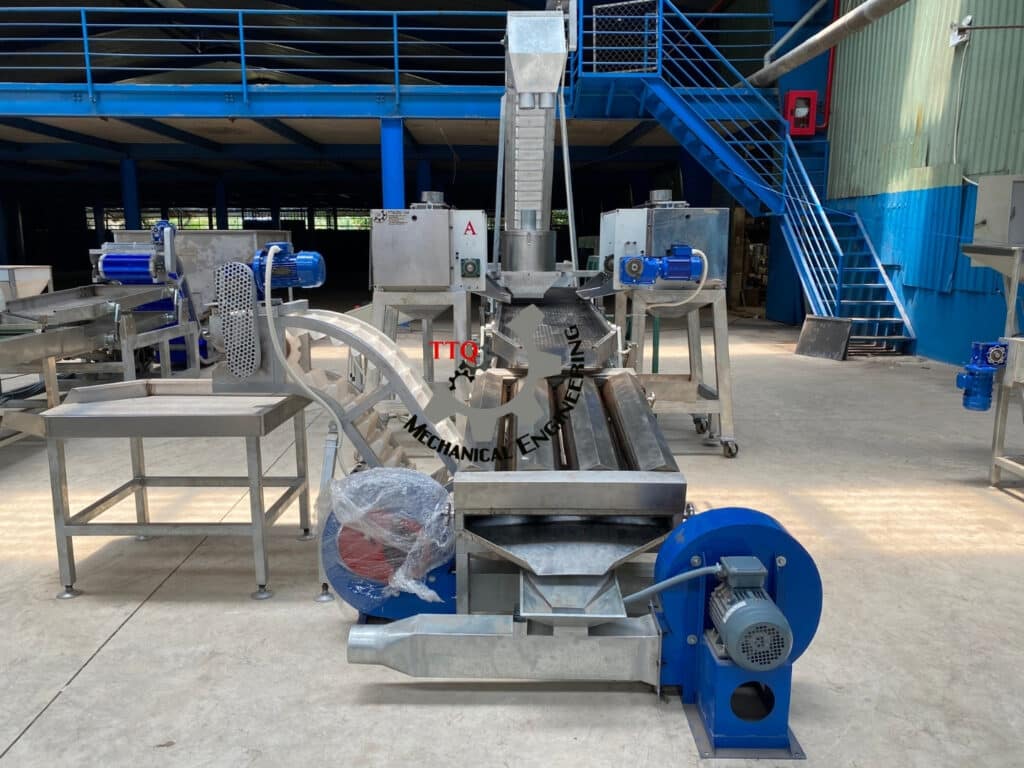
Modern shelling systems integrate eleven essential components working in synchronized harmony. The raw material cask feeds nuts into conveyor buckets that transport them vertically to the shelling machine. After cutting, vibration sieves separate kernels from shells, while roll sorting machines identify and redirect unshelled nuts back through the system.
Centrifugal appendages further refine separation, using rotational force to distinguish between shell fragments and whole kernels. Blower fans create air currents that transport lightweight shells away from heavier kernels, ensuring clean separation. Control panels allow operators to adjust processing parameters in real-time, optimizing performance for different cashew grades.
Advantages of Fully Automatic Cashew Processing
Dramatic Labor Reduction
The most compelling benefit of automatic cashew machinery lies in workforce efficiency. A 10-head automatic cutting line requires just one operator compared to the four or five workers needed for equivalent manual processing capacity. This 75-80% reduction in labor requirements translates directly to operational cost savings while addressing the growing challenge of finding skilled processing workers.
For industrial-scale operations, 16-head automatic systems process 400-700 kg of inputs hourly with only two operators. This productivity level would demand six or more workers using manual methods, making automation essential for competitive processing operations.
Superior Kernel Quality and Consistency
Automated shelling systems maintain whole cutting rates between 80-90%, matching or exceeding manual processing quality. The mechanical precision eliminates human variability, ensuring consistent results regardless of operator fatigue or skill level. Broken nut rates remain impressively low at 3-8%, maximizing the yield of premium whole kernels that command significantly higher market values.
The remain unshell rate of 5-8% demonstrates system efficiency, with integrated recirculation systems automatically feeding uncut nuts back through the cutting stations. This closed-loop approach ensures maximum shell removal without requiring manual intervention.
Increased Processing Capacity
Processing machine throughput scales dramatically with automation. Entry-level 4-head automatic cutting lines handle 120-200 kg inputs per hour, while mid-range 10-head systems process 250-350 kg hourly. Industrial 16-head configurations achieve impressive 400-700 kg per hour capacity, enabling processors to handle large volumes during peak harvesting seasons.
This scalability allows businesses to match equipment capacity with production needs, from small cooperative operations to large-scale export-oriented facilities. The ability to process greater volumes with fewer workers fundamentally changes the economics of cashew processing.
Types of Automatic Cashew Shelling Machines
Semi-Automatic Cashew Shelling Systems
Semi-automatic cutting lines bridge the gap between manual and fully automatic operations. These systems typically include the cutting machine, vibration sieve, stainless steel sorting tables, and electrical control panels. While requiring slightly more manual intervention than fully automatic lines, they offer substantial improvements over purely manual processing.
Semi-automatic configurations suit processors transitioning from manual methods or those with moderate daily processing volumes. The reduced complexity means lower initial investment while still delivering significant efficiency gains and quality improvements.
Fully Automatic Shelling Processing Lines
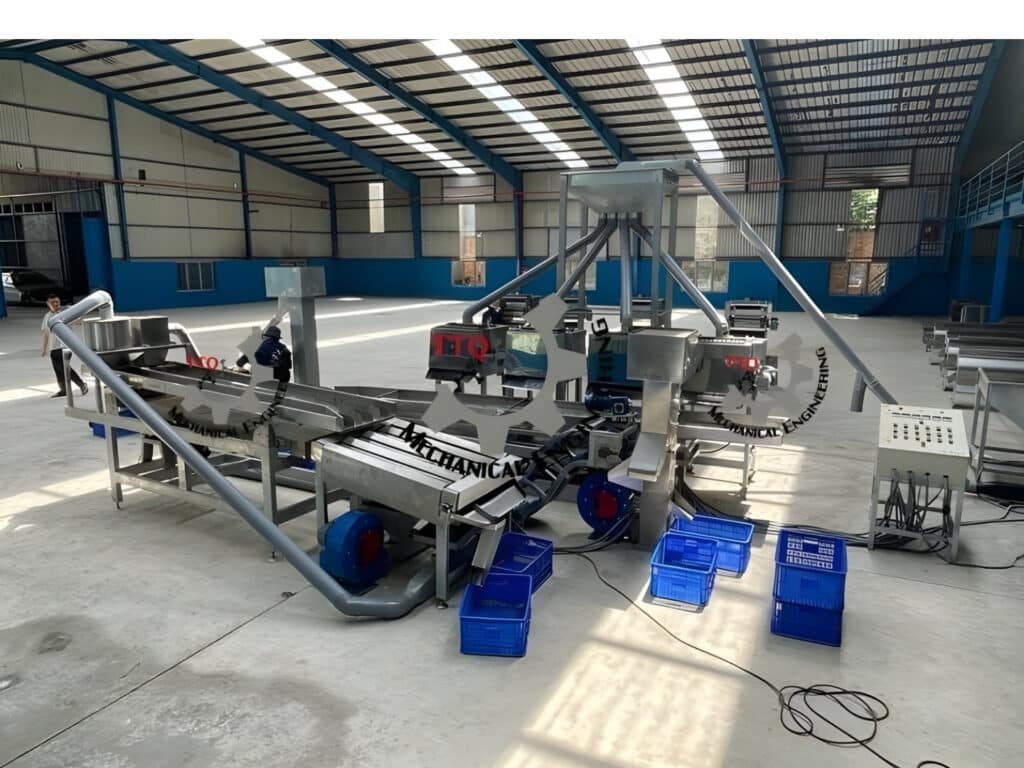
Complete automatic cashew shelling systems represent the pinnacle of processing technology. These integrated solutions manage every stage from raw material feeding through final kernel separation. Conveyor systems transport nuts between processing stages, while automated sorting mechanisms distinguish between shells, whole kernels, broken pieces, and unshelled nuts.
The sophisticated integration eliminates material handling bottlenecks that plague manual operations. Continuous flow processing maximizes throughput while minimizing contamination risks and kernel damage from excessive handling.
Multi-Head Cutting Machine Configurations
Automatic cashew cutting machines are available in 4-head, 10-head, and 16-head configurations. The head count refers to simultaneous cutting stations, directly impacting processing capacity. More cutting heads enable higher throughput without sacrificing the precision and quality that automated systems deliver.
Selecting the appropriate configuration depends on daily processing requirements, available power infrastructure, and workforce considerations. Even smaller 4-head automatic systems provide substantial benefits over manual alternatives, while 16-head installations support industrial-scale operations.
Technical Specifications and Performance
Power Requirements and Electrical Configuration
Automatic cashew processing machinery operates on three-phase electrical systems, typically at 380V. Power consumption scales with system size: 4-head automatic lines require approximately 3HP (2.25 kW), 10-head systems need 5.5HP (4.125 kW), and 16-head configurations consume 8HP (6.0 kW).
Adequate electrical infrastructure is crucial for optimal performance. Processors must ensure stable power supply with appropriate voltage regulation to prevent operational inconsistencies and protect sensitive control systems. Many operations benefit from backup generators during peak processing seasons when continuous operation is essential.
Installation Space and Facility Planning
Compact design characterizes modern automatic shelling machines despite their sophisticated capabilities. Standard cutting machine dimensions measure approximately 4 meters length by 0.9 meters width by 1.8 meters height. Complete automatic lines require additional space for conveyor systems and separation equipment, typically occupying 4x2x3 meters for 10-head systems and 4x4x3 meters for 16-head configurations.
Proper facility layout maximizes workflow efficiency. Consider material flow patterns, operator access points, maintenance clearances, and ventilation requirements when planning installation. Adequate ceiling height accommodates vertical conveyor systems while floor strength must support equipment weight and vibration forces.
Processing Capacity and Throughput Rates
Productivity specifications define system capabilities across different configurations. Entry-level 4-head automatic cutting lines process 120-200 kg of raw cashew nuts hourly, suitable for small to medium operations. Mid-range 10-head systems handle 250-350 kg inputs per hour, supporting growing businesses. Industrial 16-head installations achieve 400-700 kg hourly, enabling large-scale processing.
Actual throughput depends on nut quality, size uniformity, and operator skill. Well-maintained machines operating with properly sized and dried cashews consistently reach the upper range of specified capacities. Regular calibration and adjustment ensure optimal performance across varying nut characteristics.
Shelling System Integration and Automation
Material Handling Automation
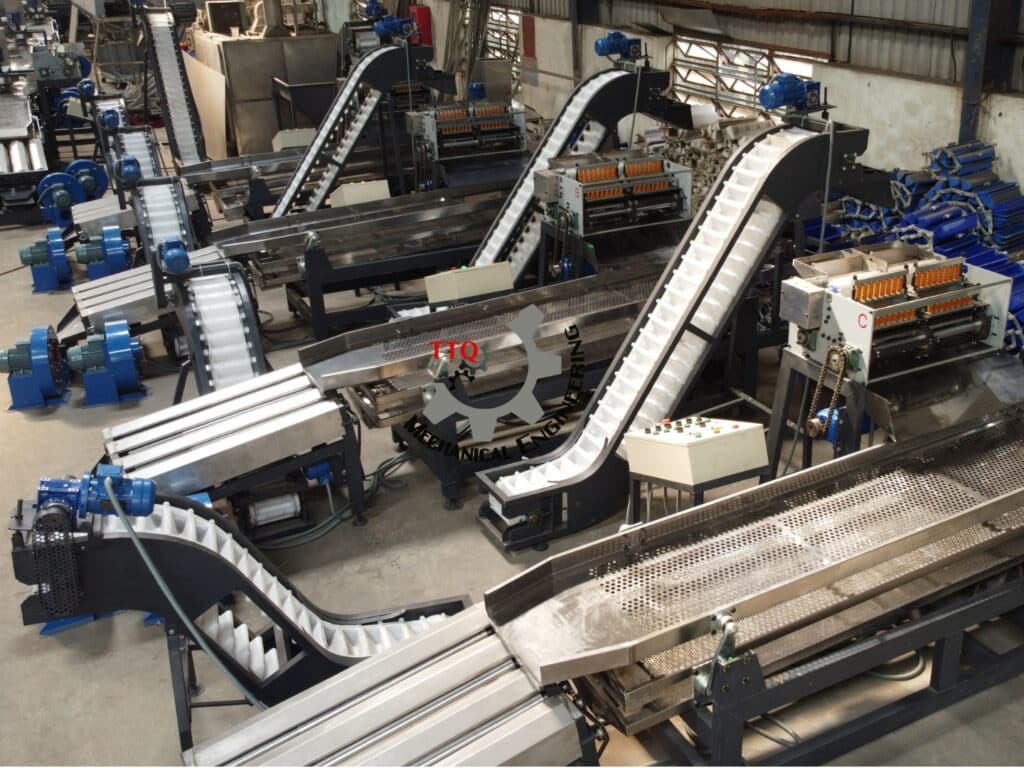
Advanced conveyor systems eliminate manual material transfer between processing stages. Bucket elevators vertically transport nuts from ground-level feed stations to elevated cutting machines, while horizontal conveyors move separated materials to collection or further processing points. This automated material flow reduces labor requirements while preventing kernel damage from repeated handling.
Infeed tanks buffer raw material supply, ensuring consistent feeding rates to cutting stations. Variable speed controls allow operators to adjust flow rates matching current processing conditions and nut characteristics. Sensor-equipped systems can detect flow disruptions and alert operators to prevent processing interruptions.
Separation Technology and Quality Control
Multi-stage separation represents a critical advantage of fully automatic systems. Initial vibration sieves separate the bulk of shell material from kernels using screen mesh sized to pass shells while retaining kernels. Secondary roll sorting machines use differential friction to distinguish between smooth kernel surfaces and rough shell exteriors.
Centrifugal separators provide final refinement, spinning mixed materials at high speed to separate components by density. Kernels concentrate at the outer edge while lighter shell fragments and testa collect centrally for separate discharge. This three-stage approach ensures cleaner separation than single-method systems achieve.
Recirculation Systems for Maximum Efficiency
Intelligent recirculation distinguishes sophisticated automatic cashew shelling systems from simpler alternatives. Unshelled nuts identified during separation automatically return to cutting stations for reprocessing. This closed-loop design maximizes shell removal without requiring manual sorting and refeeding.
Blower fans generate controlled air currents that transport unshelled nuts through pneumatic conveying systems back to the cutting machine infeed. This automation eliminates a labor-intensive manual task while ensuring no raw material escapes processing. The result is higher overall shelling rates and reduced waste.
Selecting the Right Automatic Shelling Machine
Capacity Matching for Optimal Performance
Choosing appropriate processing capacity requires analyzing current volumes and growth projections. Undersized equipment creates bottlenecks during peak seasons, while oversized systems operate inefficiently at partial capacity. Consider daily processing requirements, seasonal variations, and expansion plans when evaluating machine configurations.
Small cooperatives processing 1,000-1,500 kg daily benefit from 4-head or 10-head automatic systems. Medium enterprises handling 2,000-4,000 kg daily require 10-head or 16-head configurations. Large industrial operations processing 5,000+ kg daily may need multiple 16-head lines for adequate capacity.
Automation Level Assessment
Determining appropriate automation levels balances initial investment against operational savings. Fully automatic systems command premium prices but deliver maximum labor reduction and consistency. Semi-automatic alternatives cost less initially but require more workers and manual intervention.
Calculate labor costs over the equipment’s expected lifespan to understand true cost differences. In high labor cost regions, fully automatic systems typically provide faster return on investment despite higher purchase prices. Where labor remains affordable and available, semi-automatic configurations may prove more economical.
Infrastructure Readiness Evaluation
Existing facility infrastructure significantly impacts equipment selection. Evaluate electrical capacity, ensuring adequate amperage and proper voltage for three-phase equipment. Assess floor space, ceiling height, and structural support for equipment weight and vibration. Consider ventilation requirements for shell dust control and worker comfort.
Water and steam availability matter for integrated processing lines incorporating cooking and drying stages. Compressed air systems support pneumatic conveyance and control functions. Addressing infrastructure gaps before equipment arrival prevents installation delays and unexpected costs.
Kaju Shelling Efficiency and Productivity
Optimizing Whole Kernel Recovery
Maximizing whole kernel yield represents the primary objective for any cashew processing operation. Automatic systems achieve this through precise cutting depth control and consistent nut positioning. Properly calibrated machines maintain 85-90% whole cutting rates with premium raw material.
Regular blade maintenance ensures clean cuts without crushing kernels. Dull blades cause irregular cuts and increased breakage. Implement scheduled blade inspection and replacement protocols based on processing volumes. Most operations replace cutting blades after processing 50,000-75,000 kg of raw cashews.
Minimizing Broken Nut Rates
While some kernel breakage is inevitable, automatic systems minimize damage through controlled cutting forces and gentle material handling. Broken nut rates of 3-6% represent excellent performance, preserving maximum value from each processed nut.
Proper moisture conditioning before shelling significantly impacts breakage rates. Cashews processed at optimal moisture content (7-9%) shell more cleanly than over-dried or excessively moist nuts. Steam cooking or controlled drying prior to shelling improves kernel integrity and separation efficiency.
Managing Unshelled Nut Recirculation
The 5-8% remain unshell rate typical of automatic systems requires effective recirculation management. Automated feedback systems continuously route unshelled nuts back through cutting stations without manual intervention. This capability enables unmanned operation during extended production runs.
Monitor recirculation volumes to identify potential issues. Excessive unshelled nuts may indicate improper calibration, worn cutting blades, or raw material quality problems. Addressing root causes maintains optimal system performance and prevents productivity losses.
Cashew Processing Machine Maintenance and Operation
Routine Maintenance Protocols
Preventive maintenance maximizes automatic shelling machine lifespan and reliability. Daily procedures include cleaning cutting stations, inspecting conveyor belts, and lubricating moving parts. Weekly tasks involve checking electrical connections, testing safety systems, and calibrating cutting depth settings.
Monthly maintenance addresses wear components, including conveyor bearings, motor brushes, and vibration sieve screens. Annual overhauls examine major assemblies, replace consumable parts, and recalibrate control systems. Following manufacturer-recommended maintenance schedules prevents unexpected breakdowns during critical processing periods.
Operator Training Requirements
While automatic cashew machinery reduces workforce needs, proper operator training remains essential. Comprehensive training programs cover machine operation, basic troubleshooting, routine maintenance, and safety procedures. Well-trained operators maximize equipment productivity while preventing damage from improper use.
Training typically requires 2-3 days for basic operation proficiency, with advanced troubleshooting skills developing over several weeks of supervised operation. Ongoing refresher training addresses skill maintenance and introduces operators to system upgrades or modifications.
Common Troubleshooting Procedures
Understanding typical issues and solutions minimizes downtime when problems occur. Uneven cutting often results from blade misalignment or worn cutting edges requiring adjustment or replacement. Inconsistent separation suggests vibration sieve screen blockage or blower fan speed requiring recalibration.
Feed rate variations indicate conveyor belt slippage or control panel settings needing adjustment. Excessive unshelled nuts signal improper cutting depth or raw material moisture problems. Systematic troubleshooting approaches identify root causes efficiently, restoring normal operation quickly.
Machines Designed for Different Production Scales
Small-Scale Automatic Solutions
Compact automatic systems serve cooperatives, small enterprises, and processors entering the market. These configurations balance automation benefits with affordable investment levels. Four-head automatic cutting lines provide excellent entry points, delivering substantial improvements over manual processing while remaining financially accessible.
Small-scale systems typically process 800-1,600 kg daily during eight-hour shifts. This capacity suits operations sourcing from local farmers or serving regional markets. The reduced workforce requirement—often just one operator—addresses labor availability challenges facing small processors.
Medium-Scale Processing Systems
Growing businesses require expanded capacity without sacrificing the efficiency gains automation provides. Ten-head automatic shelling systems deliver 2,000-3,000 kg daily processing capability, supporting operations serving broader markets or processing for multiple buyers.
Medium-scale configurations often incorporate enhanced features like automated kernel grading and quality monitoring systems. These additions streamline post-shelling operations, creating more comprehensive processing solutions. Investment in medium-scale automation typically proves economical once daily processing exceeds 1,500 kg consistently.
Industrial-Scale Automated Lines
Large processors and export-oriented operations demand maximum throughput and efficiency. Sixteen-head automatic cashew shelling processing lines deliver 4,000-7,000 kg daily capacity, supporting operations handling entire regional harvests or serving international markets.
Industrial installations frequently employ multiple processing lines for redundancy and flexibility. This approach maintains production during maintenance periods while allowing processors to segregate different cashew grades through separate lines. The sophisticated automation justifies investment through dramatic labor savings and premium kernel quality commanding higher market prices.
RCN Shelling Technology Advancement
Precision Cutting Mechanisms
Advanced automatic cashew cutting machines employ sophisticated blade geometries and positioning systems achieving unprecedented cutting precision. Computer-controlled depth adjustment systems automatically compensate for nut size variations, ensuring optimal cutting depth across mixed grades.
Some premium systems incorporate vision-based nut orientation detection, rotating cashews to optimal cutting angles before blade engagement. This technology maximizes whole kernel recovery while minimizing reprocessing requirements. As sensor costs decline, such features become increasingly accessible across price ranges.
Intelligent Control Systems
Modern cashew machinery integrates programmable logic controllers (PLCs) enabling precise parameter control and process monitoring. Operators configure cutting depth, conveyor speeds, separator intensities, and recirculation rates through intuitive touchscreen interfaces. System memory stores optimal settings for different cashew varieties and grades.
Data logging capabilities track production metrics including throughput rates, whole kernel percentages, and unshelled nut volumes. This information supports continuous improvement initiatives and helps identify processing inefficiencies. Remote monitoring options allow technical support staff to diagnose issues and adjust parameters without site visits.
Energy Efficiency Innovations
Contemporary automatic shelling systems emphasize reduced energy consumption without sacrificing performance. Variable frequency drive (VFD) motors adjust speed dynamically based on load requirements, significantly reducing power usage during idle or partial-capacity operation.
Efficient blower fan designs minimize air volume requirements for effective separation, lowering electrical consumption. LED lighting replaces energy-intensive alternatives in control panels and operator stations. These incremental improvements accumulate into substantial operational savings over equipment lifespans.
Cashew Shelling Machine Investment Considerations
Total Cost of Ownership Analysis
Evaluating automatic cashew processing machinery requires examining costs beyond purchase prices. Installation expenses, electrical infrastructure upgrades, operator training, and facility modifications contribute to total investment. Ongoing costs include electrical consumption, routine maintenance, spare parts replacement, and eventual major overhauls.
Calculate cost per kilogram processed over expected equipment lifespan (typically 10-15 years) for accurate comparison between alternatives. Include labor savings, quality improvements, and capacity expansion benefits when assessing return on investment. Fully automatic systems generally demonstrate superior economics despite higher initial costs.
Financing and Payment Structures
Various financing approaches accommodate different business circumstances. Outright purchase provides simplest ownership but requires substantial capital. Installment payment plans spread costs over 12-24 months, preserving working capital for raw material purchases and operational expenses.
Equipment leasing arrangements offer alternative paths to automation without large upfront investments. Lease-to-own structures allow processors to upgrade or expand systems as businesses grow. Investigate agricultural development bank financing programs offering preferential rates for processing equipment investments.
Warranty and Support Services
Comprehensive warranty coverage and technical support significantly impact long-term equipment value. Standard warranties typically cover manufacturing defects and provide spare parts for twelve months. Extended warranty options protect against unexpected repair costs during critical processing periods.
Responsive technical support prevents extended downtime when issues arise. Evaluate manufacturer support capabilities including remote diagnostics, replacement parts availability, and on-site service options. Processors in remote locations particularly value suppliers maintaining local spare parts inventory and service personnel.
Frequently Asked Question
Automatic systems eliminate labor-intensive manual tasks while delivering consistent quality output. They reduce workforce requirements by 70-80%, maintain precise cutting depth for optimal kernel recovery, and operate continuously without fatigue-related quality degradation. The combination of lower labor costs, higher throughput, and improved whole kernel rates provides compelling economic advantages.
Standard cutting machines occupy approximately 0.9 meters by 0.9 meters of floor space. Complete automatic lines including conveyors and separation equipment require 4x2 meters for 10-head systems or 4x4 meters for 16-head configurations. Allow additional clearance for material storage, operator access, and maintenance activities. Ceiling height of 3-4 meters accommodates vertical conveyor systems.
Basic maintenance requires mechanical aptitude and careful attention to manufacturer procedures. Operators handle daily cleaning, lubrication, and routine inspections. More complex tasks like blade replacement, conveyor alignment, and electrical troubleshooting benefit from technical training. Most processors maintain in-house capabilities for routine maintenance while engaging specialists for major repairs or annual overhauls.
Return on investment periods typically range from 15-30 months depending on processing volumes, labor cost savings, and quality improvements. High-volume operations with expensive labor realize faster returns, often within 12-18 months. Smaller processors or those with affordable workforce may require 24-36 months. Calculate your specific situation considering all cost factors and revenue improvements.
Yes, most automatic cashew shelling systems operate on three-phase electrical supply at 380V. Ensure adequate electrical capacity for system power requirements: 2.25-6.0 kW depending on configuration. Facilities lacking three-phase power require electrical system upgrades before equipment installation. Stable voltage supply prevents control system issues and motor damage. Many processors install voltage regulators or backup generators ensuring consistent operation.
The cashew processing industry continues advancing through automation technology that transforms traditional labor-intensive operations into efficient, high-quality production systems. Automatic cashew shelling machines represent proven investments delivering measurable returns through reduced labor costs, increased throughput, and improved kernel quality. Whether operating a small cooperative or large industrial facility, modern automatic shelling systems offer scalable solutions matching diverse processing needs and business objectives.
CONTACT FORM
We understand selecting the ideal cashew processing machinery is a crucial decision for your business. Filling our simple contact form will help us grasp your requirements accurately and suggest customized solutions for long-term efficiency gains. Our team will get in touch shortly to initiate the best pricing and features discussion for your upgrade needs.