Skip to content
Cashew Shell Price - Complete Market Guide & Current Pricing Trends 2025
The global market for cashew shell price continues to evolve as industrial demand for sustainable biomass and eco-friendly chemical feedstocks grows. Cashew shells, the robust outer covering of raw cashew nuts, have transformed from agricultural waste into valuable industrial commodities. Currently trading between $50 to $145 USD per metric ton globally, these shells serve dual purposes as biomass fuel and raw material for extracting Cashew Nut Shell Liquid (CNSL), making them increasingly important in the circular economy.
Current Cashew Shell Price Trends in 2025
Global Market Overview of Cashew Shells
The cashew nut shells market has experienced significant volatility over the past five years, with 2025 marking a period of elevated prices due to supply constraints. Current global pricing reflects a complex interplay of factors including reduced Raw Cashew Nut (RCN) harvests, increased industrial demand for biomass alternatives, and rising extraction costs for CNSL production.
In the current market, cashew shells are categorized into two primary grades:
- Raw cashew shellscontaining oil: $85-$145 per metric ton
- De-oiled shell cakeafter CNSL extraction: $50-$95 per metric ton
The price differential between these grades reflects the value of CNSL, which currently trades at $950-$1,200 per ton in international markets. Processing facilities increasingly recognize the economic advantage of extracting this valuable liquid before selling the remaining biomass for fuel applications.
Regional Price Variations for Cashew Nut Shells
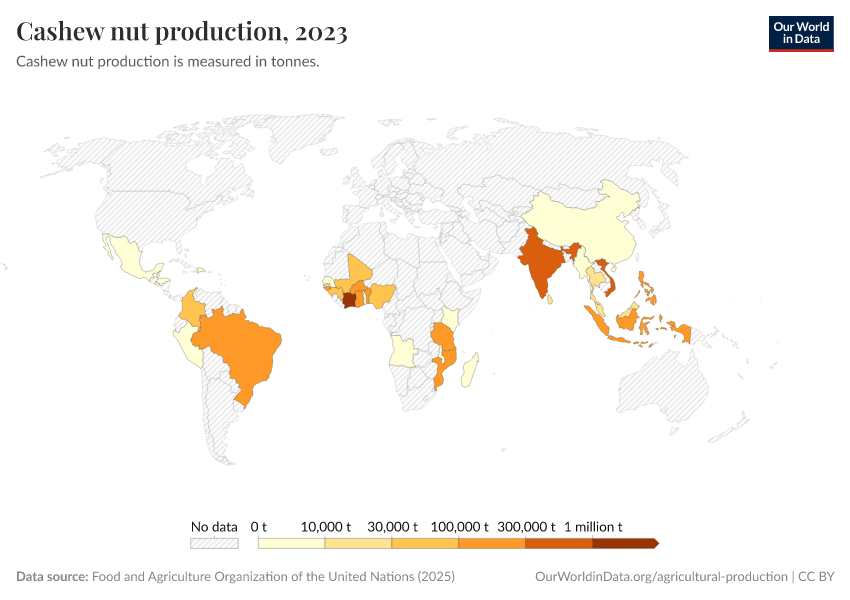
India – The Largest Processing Hub
India dominates the cashew nut processing industry, creating substantial demand for shells as industrial fuel. Current pricing in major processing centers:
- Kollam, Kerala: ₹8,000-₹12,000 per metric ton ($95-$142 USD)
- Palasa, Andhra Pradesh: ₹7,500-₹11,500 per ton ($89-$136 USD)
- Mangalore, Karnataka: ₹7,000-₹11,000 per ton ($83-$130 USD)
These regional variations reflect local industrial demand, with areas hosting cement plants, brick kilns, and tile manufacturers typically commanding premium prices. The Indian market particularly values shells with consistent moisture content below 10% and oil content above 20% for optimal CNSL extraction.
Vietnam – Export-Oriented Pricing
Vietnam’s massive processing capacity generates substantial shell volumes, with pricing structured around export potential:
- Raw shells for domestic use: 1,200,000-2,000,000 VND per ton ($50-$83 USD)
- Export-grade shells: 2,000,000-2,500,000 VND per ton ($83-$100 USD)
- CNSL extraction grade: Premium pricing at 2,300,000-2,800,000 VND per ton ($96-$117 USD)
Vietnamese processors often integrate CNSL extraction facilities, adding value before export. The country’s strategic location facilitates shell exports to China, Japan, and South Korea, where demand for bio-based chemicals continues growing.
Historical Price Analysis: 2020-2025
Five-Year Market Evolution
The cashew shell price trajectory over the past five years reveals dramatic market shifts:
2020 – Pandemic Impact: Prices plummeted to $40-60 per ton as industrial activity declined globally. Reduced fuel consumption in manufacturing sectors eliminated much of the demand for biomass alternatives, creating oversupply conditions.
2021 – Recovery Phase: Gradual price recovery to $50-70 per ton accompanied industrial reopening. Manufacturing sectors resumed operations, rekindling demand for affordable fuel alternatives to coal.
2022 – Energy Crisis Peak: The Ukraine conflict triggered unprecedented energy price spikes, pushing shell prices to $80-130 per ton. Industries scrambled for coal alternatives, with biomass sources like cashew shells becoming highly sought after.
2023 – Market Stabilization: Prices moderated to $60-90 per ton as energy markets normalized. Adequate RCN supply maintained steady shell availability, preventing shortage-driven price increases.
2024 – Supply Concerns Emerge: Rising prices of $70-110 per ton reflected initial RCN harvest concerns. Climate irregularities in West Africa began affecting crop yields, signaling future supply constraints.
2025 – Current Supply Crisis: Present pricing of $85-145 per ton represents a 20-30% increase year-over-year. Severe weather impacts on African cashew harvests have reduced global RCN processing by approximately 20%, creating shell scarcity.
Factors Driving Cashew Shell Market Prices
Raw Material Supply Dynamics
The fundamental driver of cashew shells pricing remains RCN availability. As a processing byproduct, shell supply directly correlates with cashew processing volumes. The 2024-2025 harvest season has witnessed significant disruptions:
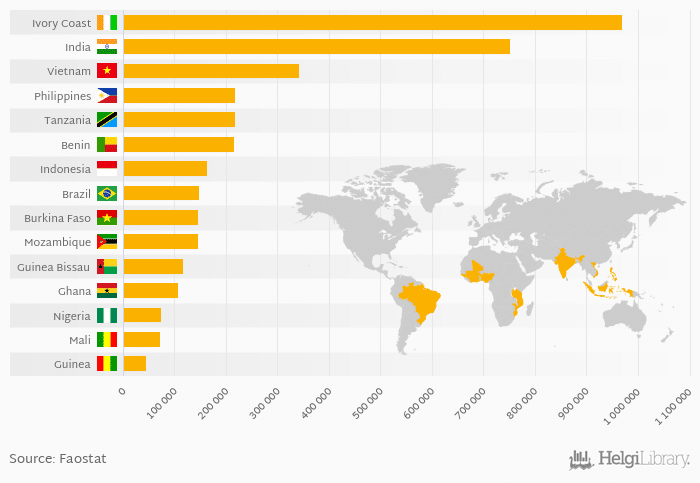
- West African production decline: Major producing countries including Ivory Coast, Ghana, and Nigeria report 15-25% yield reductions
- Vietnamese drought impact: Domestic RCN production fell 30%, increasing import dependency
- Indian crop variability: Uneven monsoons affected traditional growing regions
These supply constraints have created a seller’s market, with processors able to command premium prices for available shell inventory.
Industrial Demand Factors
Biomass Fuel Applications
The transition toward sustainable energy sources has positioned cashew nut shells as attractive biomass alternatives to fossil fuels. Key demand drivers include:
- Calorific value advantage: At 4,000+ kcal/kg, shells provide comparable energy output to low-grade coal
- Carbon neutrality: Biomass combustion offers reduced carbon footprint versus fossil fuels
- Government mandates: Stricter emissions regulations in India and Vietnam incentivize biomass adoption
Industries utilizing shell biomass include cement manufacturing, textile processing, food processing boilers, and power generation facilities. The consistency of shell supply from processing centers makes them preferred over seasonal agricultural residues.
CNSL Extraction Economics
Cashew Nut Shell Liquid represents approximately 20-25% of shell weight, containing valuable phenolic compounds. Current CNSL applications driving extraction demand:
- Friction materials: Brake linings and clutch facings require CNSL-based resins
- Surface coatings: Marine paints and industrial coatings utilize CNSL’s water-resistant properties
- Chemical intermediates: Growing demand for bio-based phenols in polymer production
With synthetic phenol prices linked to petroleum costs, CNSL becomes economically attractive when crude oil exceeds $80 per barrel, as currently observed.
Global Energy Market Correlation
The latest price movements in cashew shells closely track international energy markets:
- Coal price correlation: Shell prices typically maintain 15-20% of thermal coal prices
- Crude oil impact: CNSL demand increases when petroleum-derived phenol becomes expensive
- Natural gas influence: High gas prices drive industrial fuel switching to biomass
Current elevated energy prices across all sectors support strong shell valuations, with this trend expected to continue through 2025.
Market Specifications and Quality Standards
Commercial Grade Classifications
Understanding cashew shell specifications helps buyers and sellers establish fair pricing:
Premium Grade (Highest Price):
- Moisture content: <8%
- Oil content: >22%
- Foreign matter: <2%
- Size uniformity: 80% retention on 10mm screen
Standard Grade (Medium Price):
- Moisture content: 8-12%
- Oil content: 18-22%
- Foreign matter: 2-5%
- Mixed sizing acceptable
Fuel Grade (Lower Price):
- Moisture content: <15%
- Oil content: Variable
- Foreign matter: <8%
- De-oiled cake acceptable
Packaging and Minimum Order Requirements
Commercial transactions typically involve:
- Min orderquantities: 20-25 metric tons (full container load)
- Shell packaging: 50kg polypropylene bags or bulk loading
- Storage requirements: Covered, ventilated warehouses preventing moisture absorption
Larger orders often command better per-ton pricing, with 100+ ton contracts receiving 5-10% discounts from spot prices.
Regional Supply Chains and Logistics
India Supply Network
The Indian supplier network for cashew shells operates through multiple channels:
Direct from Processors: Large processing units in Kerala, Andhra Pradesh, and Karnataka sell directly to industrial consumers, offering competitive pricing for bulk orders.
Aggregators and Traders: Smaller processors sell to aggregators who consolidate volumes for industrial customers. Supplier Chennai networks serve Tamil Nadu industries, while Mumbai traders supply western Indian markets.
Biomass Exchanges: Emerging online platforms facilitate shell trading, providing price transparency and quality assurance.
Transportation costs significantly impact delivered prices, with freight adding ₹500-1,500 per ton depending on distance from processing centers.
Vietnam Export Infrastructure
Vietnamese shell exports benefit from:
- Established port facilities in Ho Chi Minh City and Haiphong
- Containerization expertise for international shipments
- Quality certification systems meeting international standards
Quote cashew shell prices from Vietnamese suppliers typically include FOB terms, with buyers arranging ocean freight. Current FOB rates from major ports range from $75-95 per ton for standard grade shells.
African Market Development
West African producing countries increasingly recognize shell value:
- Ivory Coast: Government mandates for domestic processing create local shell markets
- Nigeria: Growing CNSL extraction facilities increase shell demand
- Ghana: Biomass power projects utilize cashew shells alongside other agricultural residues
African shell prices remain lower due to limited local industrial demand and processing infrastructure, typically ranging $30-50 per ton at processing facilities.
Industrial Applications and End-User Markets
Biofuels and Energy Generation
The biofuels sector represents the largest end-use market for cashew shells:
Direct Combustion: Industries burn shells in specially designed boilers, achieving 65-70% efficiency. Typical consumers include:
- Textile mills requiring process steam
- Food processing facilities for drying operations
- Small-scale power plants supplementing grid electricity
Briquetting and Pelletization: Value-added processing creates uniform fuel products:
- Briquette prices: ₹6,000-16,000 per ton depending on specifications
- Higher energy density than loose shells
- Improved handling and storage characteristics
Gasification Systems: Advanced thermal conversion produces syngas for power generation or chemical synthesis, though this remains limited to demonstration projects.
Chemical Industry Applications
CNSL extraction facilities process shells for various chemical markets:
Phenolic Resins: CNSL-based resins offer superior heat resistance and chemical stability for:
- Automotive friction materials
- Electrical insulation components
- Adhesives and binders
Surface Coatings: CNSL derivatives provide:
- Corrosion resistance in marine environments
- Chemical resistance in industrial applications
- UV stability in exterior coatings
Specialty Chemicals: Emerging applications include:
- Bio-surfactants for enhanced oil recovery
- Agricultural chemicals and pesticides
- Pharmaceutical intermediates
Emerging Applications
Research continues identifying new uses for solid cashew shell components:
- Activated Carbon: Shell-derived carbon for water treatment and air purification
- Composite Materials: Shell powder as filler in polymer composites
- Soil Amendment: Carbonized shells for agricultural applications
These developing markets may support future price appreciation as demand diversifies beyond traditional fuel uses.
Price Forecasting and Market Outlook
2025 Projections
Current market analysis suggests cashew shell price will remain elevated through 2025:
Q1-Q2 2025: Prices expected to maintain $85-145 per ton range as RCN shortage continues. West African mid-crop unlikely to significantly improve supply.
Q3 2025: Potential price softening to $75-125 per ton if Vietnamese and Indian harvests recover. However, La Niña weather patterns may impact Asian production.
Q4 2025: Year-end pricing dependent on 2025-26 African harvest prospects. Early seasonal rainfall patterns will indicate potential supply recovery.
Long-term Market Drivers
Several factors support sustained price strength:
Structural Demand Growth:
- Expanding bio-based chemical markets
- Stricter environmental regulations favoring biomass
- Growing industrial capacity in processing countries
Supply Constraints:
- Climate change impacts on cashew cultivation
- Competition for agricultural land
- Labor availability challenges in processing
Value Chain Development:
- Increased CNSL extraction capacity
- Improved logistics and storage infrastructure
- Quality standardization initiatives
Trading and Procurement Strategies
For Industrial Buyers
Optimizing shell procurement requires:
Contract Timing: Secure supplies during harvest season (February-May) when prices typically bottom. Avoid spot purchases during lean season (October-January).
Quality Specifications: Clearly define moisture, oil content, and contamination limits in purchase agreements. Request third-party quality certification for large orders.
Supplier Relationships: Develop direct relationships with processors to eliminate intermediary margins. Consider long-term contracts with price adjustment mechanisms tied to energy indices.
Logistics Optimization: Consolidate shipments to reduce transportation costs. Investigate backhauling opportunities with transporters serving processing regions.
For Processors and Traders
Maximizing shell value involves:
Value Addition: Consider investing in CNSL extraction to capture additional value before selling de-oiled cake. Even basic extraction systems can improve revenue 20-30%.
Market Diversification: Develop relationships with multiple end-user industries to maintain pricing power. Export markets often offer premium prices for quality shells.
Inventory Management: Strategic stockholding during harvest season can capture seasonal price appreciation. However, proper storage preventing moisture absorption is critical.
Quality Maintenance: Implement grading and cleaning systems to command premium prices. Remove foreign matter and maintain consistent moisture levels.
Environmental and Sustainability Considerations
Carbon Footprint Benefits
Cashew shells offer significant environmental advantages:
- Carbon neutrality: Biomass combustion releases only carbon absorbed during tree growth
- Waste utilization: Converts processing byproduct into valuable resource
- Fossil fuel displacement: Each ton of shells replaces approximately 0.6 tons of coal
Industries utilizing shells can claim sustainability benefits, potentially accessing carbon credits or green financing mechanisms.
Sustainable Supply Chain Development
The cashew shell market increasingly emphasizes sustainability:
Certification Programs: Rainforest Alliance and Fairtrade certification extending to shell utilization ensures ethical sourcing.
Circular Economy Integration: Shell utilization completes the cashew value chain, maximizing resource efficiency from cultivation through processing.
Local Value Creation: Domestic shell utilization in producing countries reduces export dependency while creating employment opportunities.
The cashew shell price landscape in 2025 reflects fundamental shifts in global energy markets and agricultural production patterns. Current pricing between $50-145 per metric ton represents both challenge and opportunity for market participants. Industrial consumers face higher input costs but can claim sustainability benefits, while processors can maximize value through strategic marketing and value addition.
Understanding price drivers including RCN supply, energy market correlations, and CNSL demand enables informed decision-making. As the market evolves toward greater sophistication with quality standardization and formal trading mechanisms, participants positioning themselves strategically will capture maximum value from this versatile agricultural byproduct.
TTQ Industrial Equipment Manufacturing continues supporting the cashew processing industry with advanced shell handling and processing equipment, enabling processors to maximize shell value while maintaining kernel quality. Contact our team to discuss how our CNSL extraction presses and shell handling systems can optimize your processing operations in this dynamic market environment.
Frequently Asked Questions
Current cashew nut shells prices per kilogram vary by region and quality grade. In India, raw shells trade at ₹7-12 per kg ($0.083-0.142 USD), while de-oiled cake sells for ₹4.50-8 per kg. International markets see prices ranging from $0.05-0.145 per kg depending on oil content, moisture levels, and order volumes. Retail quantities command higher per-kg rates than bulk industrial purchases.
Cashew shells serve multiple industrial applications beyond basic fuel use. Primary applications include biomass fuel for boilers and furnaces, providing 4,000+ kcal/kg energy output. CNSL extraction yields valuable chemicals for friction materials, paints, and resins. Emerging uses encompass activated carbon production, agricultural char amendments, and composite material fillers. The shells' high lignin content makes them suitable for particleboard manufacturing, while research explores pharmaceutical and cosmetic applications for shell extracts.
Raw Cashew Nuts (RCN) with shells intact currently trade at ₹130-180 per kg in Indian markets. After processing, approximately 750-800 grams becomes shell and testa waste, while 200-250 grams yields valuable kernels. This processing ratio means each kilogram of RCN generates roughly 0.75-0.8 kg of shells, worth ₹5.25-9.60 at current market prices.
CONTACT FORM
We understand selecting the ideal cashew processing machinery is a crucial decision for your business. Filling our simple contact form will help us grasp your requirements accurately and suggest customized solutions for long-term efficiency gains. Our team will get in touch shortly to initiate the best pricing and features discussion for your upgrade needs.