Skip to content
Setting Up a Cashew Nut Processing Factory in Cambodia
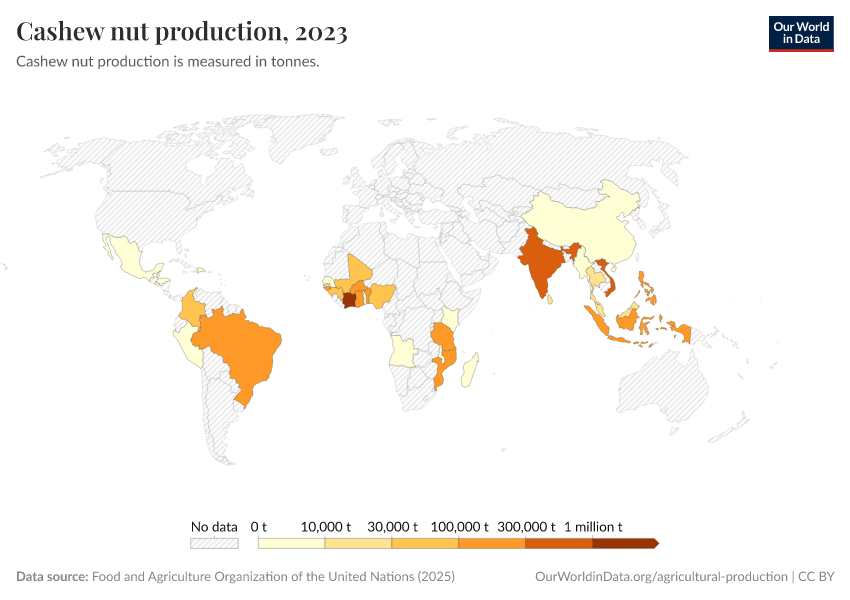
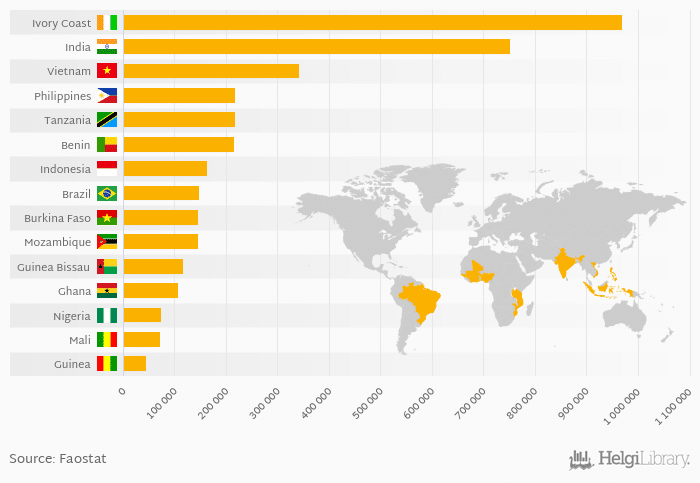
Cambodia has emerged as the world’s third-largest producer of raw cashew nuts, making it an ideal location for entrepreneurs looking to establish cashew processing facilities. With government-backed incentives, abundant raw material supply, and a supportive regulatory framework, setting up a cashew factory in Cambodia presents exceptional opportunities for investors in the cashew industry.
Why Cambodia is Perfect for Cashew Processing Investment
Cambodia produced approximately 850,000 metric tonnes of raw cashew in 2024, representing a remarkable 21% year-on-year growth. The country’s cashew plantations now span around 580,000 hectares, with expansion plans targeting 700,000 hectares. Despite this impressive production capacity, only 5-6% of nuts undergo local processing, with over 90% exported to Vietnam as raw material. This gap creates significant opportunities for processing plant investments.
The cashew industry represents Cambodia’s third-largest agricultural export after rice and cassava, generating substantial foreign exchange. The Royal Government recognizes this potential and has introduced comprehensive support measures to attract investment in processing capacity and infrastructure development.
Unprecedented Government Incentives for Cashew Factory Setup
Tax Incentives and Financial Benefits
Cambodia offers some of the most attractive investment incentives in Southeast Asia for cashew processing facilities. Through the Council for the Development of Cambodia (CDC), Qualified Investment Projects (QIP) in the agricultural processing sector receive:
Income Tax Exemption: Processing facilities qualify for 3 to 9 years of complete corporate income tax exemption from the date of first revenue generation. For agricultural processing enterprises including cashew nuts, the government extended a two-year income tax exemption specifically covering 2024-2025.
After the initial tax holiday expires, businesses benefit from progressive tax reductions for an additional six years at 25%, 50%, and 75% of the standard rate for two-year periods respectively.
Import Duty Exemptions: Zero customs duties apply to importing production equipment, processing machines, construction materials, and raw materials needed for factory operations. This includes specialized shelling machines, cutting machines, and other cashew processing machinery.
VAT Exemptions: Facilities receive 0% Value Added Tax on locally sourced production inputs, plus exemptions on imported construction equipment and production machinery.
Land and Infrastructure Support
Provincial authorities in major cashew-growing regions including Kampong Thom, Kampong Cham, Preah Vihear, Kratie, Ratanakiri, and Tbong Khmum actively support factory establishment by providing access to suitable land parcels for industrial development. Long-term land leases of up to 70 years are available to investors, with renewal options upon request.
The Cashew Nut Association of Cambodia (CAC) works closely with the CDC and provincial governments to facilitate land allocation for processing plant construction. Investors benefit from streamlined approval processes and infrastructure support in designated agro-industrial zones.
Financial Support Programs
The government allocated over $60 million through the Rural Development Bank of Cambodia specifically for cashew production and processing in 2024. This includes $35 million in subsidized loans for processing enterprises and an additional $30 million reserve for harvest support.
Processing facilities can access low-interest loans from specialized agricultural banks and the SME Bank to purchase raw cashew nuts from local farmers, helping establish reliable supply chains while supporting cultivation communities.
Understanding Cashew Processing Operations
Essential Processing Equipment and Machinery
A modern cashew processing plant requires specialized equipment at different production stages:
Pre-processing Equipment: Raw cashew handling systems, moisture measurement devices, sizing and grading machines, and storage facilities capable of maintaining optimal conditions for raw nuts before shelling.
Shelling Section: Automated or semi-automated cashew shelling machines form the core of processing operations. Modern facilities increasingly adopt mechanical shelling technology to improve efficiency and reduce labor costs while maintaining kernel quality.
Processing Machinery: After shelling, cashew cutting machines remove the testa (brown skin), followed by peeling, grading, and quality control systems. Temperature-controlled roasting equipment ensures consistent product quality.
Packaging Systems: Modern packaging lines with vacuum sealing, nitrogen flushing, and labeling capabilities prepare finished products for domestic and export markets.
Feasibility Study Requirements
Before establishing a cashew processing facility, conducting a comprehensive feasibility study is essential. The study should evaluate:
Processing Capacity Planning: Determine optimal processing volumes based on local raw material availability. Current medium-sized facilities in Cambodia process between 5,000 to 7,000 tonnes annually, while small-scale operations handle approximately 500 tonnes per year.
Raw Material Supply Analysis: Assess proximity to cashew cultivation areas and farmer networks. Cambodia’s production concentrated in northeastern provinces provides abundant supply during harvest seasons typically running from February to May.
Market Demand Assessment: Identify target markets for processed kernels. While Vietnam, Japan, and China represent primary export destinations, growing domestic consumption and emerging markets in Korea and EU nations offer diversification opportunities.
Cost-Benefit Analysis: Calculate investment requirements for land, factory construction, processing machines, working capital, and operational expenses against projected revenues from kernel sales. The cost of building a 5,000-tonne processing warehouse stands at approximately $1 million.
Labor Availability: Evaluate local workforce capabilities. Cashew processing traditionally employs significant manual labor, particularly for quality control and specialized operations.
Investment Requirements and Cost Considerations
Initial Capital Investment
Setting up a cashew processing factory in Cambodia requires carefully planned capital allocation:
Land Acquisition: Long-term land leases in industrial zones typically cost between $5,000 to $15,000 per hectare annually, depending on location and available infrastructure.
Factory Construction: Building a modern processing facility with proper ventilation, waste management systems, and worker amenities costs between $200,000 to $500,000 for medium-sized operations, excluding specialized equipment.
Processing Equipment: Complete cashew processing machinery for a 5,000-tonne annual capacity facility ranges from $300,000 to $800,000, depending on automation levels and technology choices. Imported machines benefit from duty exemptions under QIP status.
Working Capital: Purchasing raw cashew nuts requires substantial working capital, as processors must acquire inventory during harvest seasons. Raw cashew price ranges from $1,650 to $1,900 per tonne, requiring $8-10 million in working capital for a 5,000-tonne operation.
Operational Considerations
Energy Requirements: Processing operations require reliable electricity supply for machinery operation, temperature control, and storage facilities. Factory locations should ensure access to industrial power or plan for backup generation capacity.
Water Supply: Adequate water sources support washing, processing, and facility sanitation requirements.
Waste Management: Cashew processing generates shells and other by-products. Modern facilities increasingly explore cashew shell liquid (CSNL) extraction for biofuel production, creating additional revenue streams while addressing waste disposal.
Accessing Government Support and Registration
QIP Registration Process
Investors seeking incentives must register their cashew processing project as a Qualified Investment Project through the CDC or Provincial-Municipal Investment Sub-Committees:
Prepare Investment Proposal: Submit detailed project plans including feasibility study, business plan, environmental impact assessment, and proof of financial capability.
Application Submission: File applications physically or through the CDC’s online platform at cdc.gov.kh with required documentation and application fees.
CDC Review: The Council reviews proposals within 20 working days and issues a Registration Certificate with QIP status if requirements are met.
Final Registration Certificate: Upon meeting all conditions and beginning construction or operations, investors receive the Final Registration Certificate activating tax incentives.
Annual Compliance: QIPs must submit annual progress reports and undergo compliance certification to maintain incentive eligibility.
Working with the Cashew Nut Association of Cambodia
The CAC serves as a vital resource for new investors, providing:
- Market information and industry insights
- Connections to raw material suppliers and farmer cooperatives
- Technical training and best practice guidance
- Support navigating regulatory requirements
- Networking opportunities with existing processors
- Advocacy with government agencies on industry issues
Association membership strengthens businesses’ position in the cashew industry ecosystem and provides access to collaborative initiatives supporting sector growth.
Quality Standards and Export Markets
Processing Quality Requirements
Cambodia’s cashew processors increasingly focus on quality improvement to compete globally. Modern facilities implement:
Grading Standards: Kernels classified by size, color, and defect levels according to international standards, with premium whole kernels commanding higher prices in global markets.
Food Safety Compliance: Processing must meet food safety requirements for target export markets, including Good Manufacturing Practices (GMP) and Hazard Analysis Critical Control Points (HACCP) certification.
Traceability Systems: Documentation tracking raw material sources through processing to finished products supports quality assurance and market requirements.
Expanding Export Opportunities
While Vietnam historically dominated Cambodia’s raw cashew exports, processed kernel markets offer greater value addition and revenue potential. Target markets include:
- Traditional Markets: India, United States, and Germany remain the world’s largest consumers of processed cashews
- Regional Growth: Japan, South Korea, and China represent growing markets with strong demand for premium cashew products
- Emerging Opportunities: Recent trade agreements and memorandums of understanding open new export channels
The government actively supports export development through participation in international trade fairs and facilitation programs simplifying trade procedures.
Success Factors for Cashew Processing Investment
Strategic Location Selection
Choose factory sites considering:
- Proximity to cashew cultivation areas reducing raw material transportation costs
- Access to reliable infrastructure including roads, electricity, and water
- Availability of suitable workforce in surrounding communities
- Sufficient land for current operations and future expansion
Technology and Innovation
Modern processing facilities achieve competitive advantages through:
- Advanced shelling technology improving yield rates and reducing kernel damage
- Automated grading and sorting systems ensuring consistent quality
- Energy-efficient processing equipment lowering operational costs
- By-product utilization systems creating additional revenue from cashew shells
Supply Chain Development
Successful processors establish strong relationships with:
- Farmer cooperatives and cashew cultivation communities ensuring reliable raw material supply
- Quality assurance programs improving raw nut quality through farmer training
- Fair pricing mechanisms benefiting both processors and farmers
- Long-term supply agreements stabilizing operations throughout the year
Market Development
Build sustainable businesses through:
- Diversified customer base reducing dependence on single markets
- Premium product positioning capturing higher value segments
- Export readiness meeting international quality and certification standards
- Brand development differentiating Cambodian cashew products
Environmental and Social Considerations
Sustainable Processing Practices
Modern cashew facilities incorporate environmental responsibility:
- Waste Reduction: Cashew shell processing into CSNL for biofuel production converts waste into valuable by-products
- Water Management: Efficient water use and treatment systems minimize environmental impact
- Energy Efficiency: Modern equipment and practices reduce energy consumption and carbon footprint
Worker Welfare
Successful facilities prioritize employee well-being through:
- Safe working conditions with proper ventilation, equipment safety, and protective gear
- Fair wages and benefits attracting skilled workers
- Training programs developing workforce capabilities
- Facilities including canteens, nurseries, and transportation support
Investments in worker welfare qualify for additional tax deductions of 150% under QIP incentive schemes, providing financial benefits while supporting social responsibility.
Cambodia's Cashew Industry Outlook
The Cambodian government’s ambitious National Policy on Cashew 2022-2027 targets significant industry expansion through:
- Increasing domestic processing capacity to handle 25% of national production by 2027
- Establishing approximately 50 new medium-sized processing facilities
- Developing modern agricultural communities with improved infrastructure
- Expanding cashew plantation areas and productivity enhancement
- Diversifying export markets beyond traditional destinations
This comprehensive support framework positions Cambodia as an increasingly important player in global cashew processing, not just raw nut production. Early investors establishing processing facilities benefit from first-mover advantages in this rapidly developing industry.
Getting Started with TTQ Co. Ltd.
At TTQ Co. Ltd., we understand the complexities of establishing cashew processing operations in Cambodia. Our expertise spans cashew processing technology, equipment selection, feasibility planning, and industry connections throughout Southeast Asia’s cashew sector.
Whether you’re planning a small-scale processing facility or a large industrial operation, success depends on careful planning, appropriate technology selection, understanding regulatory requirements, and building strong supply chain relationships. Cambodia’s combination of abundant raw material supply, attractive government incentives, and growing global demand for quality cashew products creates exceptional opportunities for investors ready to contribute to this dynamic industry’s development.
The time has never been better to establish your cashew processing facility in Cambodia. With government support, industry infrastructure development, and market access opportunities expanding rapidly, investors who act now position themselves at the forefront of Cambodia’s cashew industry transformation from raw material exporter to value-added processor competing in global markets.
CONTACT FORM
We understand selecting the ideal cashew processing machinery is a crucial decision for your business. Filling our simple contact form will help us grasp your requirements accurately and suggest customized solutions for long-term efficiency gains. Our team will get in touch shortly to initiate the best pricing and features discussion for your upgrade needs.